
In our latest interview, Yan Morin, Rexfab’s Engineering Director, shares how real-world production experience shapes the team’s approach to building practical, high-value engineering solutions.
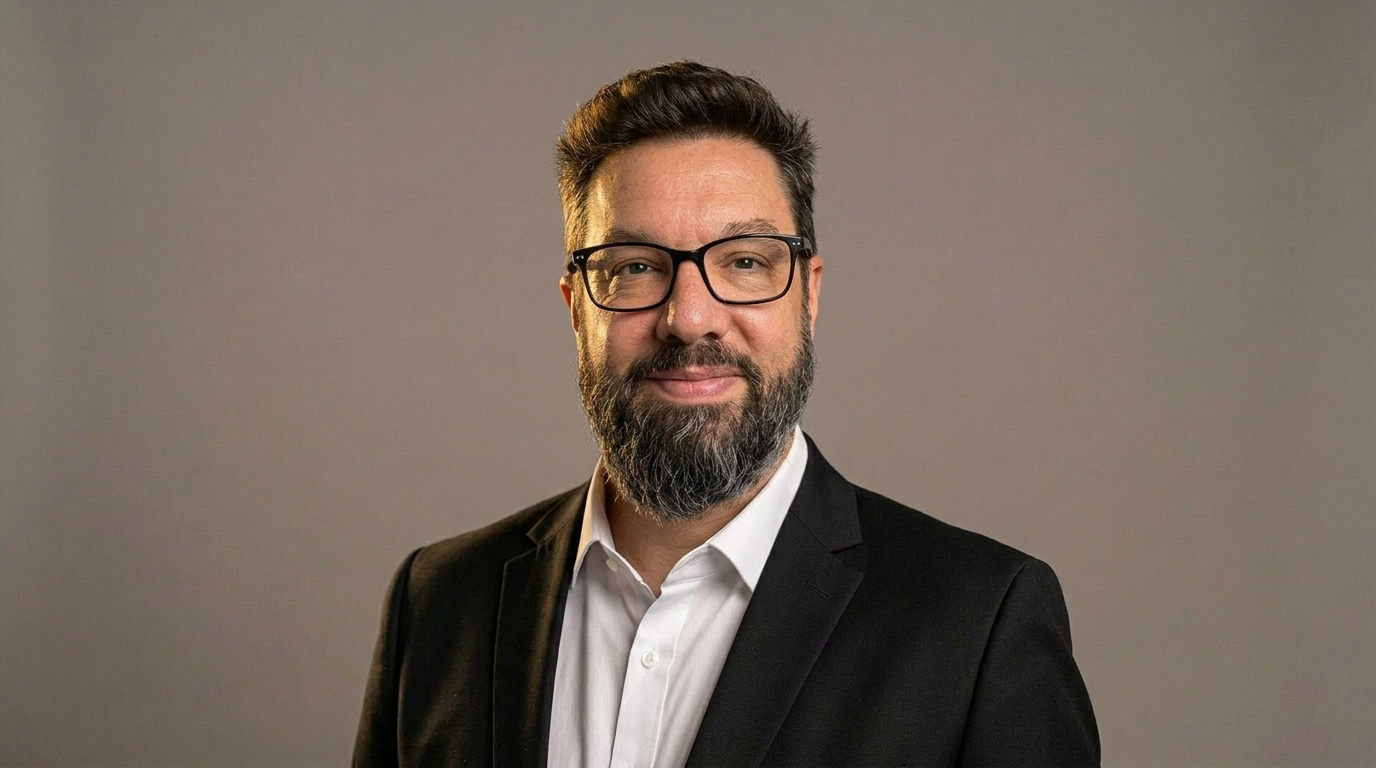
“Our clients don’t call us just to buy equipment. They call us because they want us to think with them”.
Why are we different from other OEMs?
It’s our expertise. Our expert explains how he does what he does.
What makes Rexfab’s engineering process unique and valuable for our clients?
What sets us apart is that we never start from a theoretical blank sheet. Our engineers have lived production lines from the inside — floor-level constraints, middle-of-the-night breakdowns, the pressure of restarting at 3 a.m. That reality is built into every design decision we make.
For example, the management of unplanned downtime. We designed our equipment so that an operator can restart after a power outage with minimal handling. That’s not a minor detail — for a client running 24/7 production, every minute of downtime has a real cost. That kind of instinct comes from 25 years in the field.
Why do Rexfab clients consider the engineering team a key resource for their projects?
Our clients don’t call us just to buy equipment. They call us because they want us to think with them.
The team gets involved from the very first weeks of a project, long before detailed design begins. We spend two to four weeks validating all the critical parameters — performance objectives, environmental constraints, potential risks. That upfront work is what prevents unpleasant surprises during the project and gives our clients the confidence that what we deliver will perform.
It is this mindset of being a partner rather than just a supplier that makes us strong.
“We do not start from a solution we are trying to sell. We start from the client’s problem, and we build from there”.
Can you describe your three main engineering processes?
First, we truly understand the client’s process — not superficially, but in depth. Then, we define the operational sequence while keeping three constant priorities in mind: performance, safety, and maintainability. And finally, we validate in the field. Because a solution that works on paper but not in the client’s real environment is worth nothing.
If a client came to visit you, what would you talk to them about and what would you show them?
“I would show them how we think, not just what we manufacture.”
A good example: the development of a custom electromagnet for an industrial bakery pan stacker. “Bakery pans have very specific characteristics. No standard solution met the need. We developed our own component — and that development came directly from client feedback, right from the beginning of the project.”
But I would also talk to them about the team. Because behind every solution, there are people working together in a way that is not ordinary. “Here, junior and senior engineers work side by side every day — not in silos. Knowledge transfer happens naturally, through action.”
And to keep that spirit alive, we have our own small rituals. Every week, during our daily team meeting, someone is assigned to tell a joke. “That’s not trivial. We believe the best ideas emerge in an environment where people feel comfortable expressing themselves, proposing something unusual, taking a risk. The joke is a way of keeping that openness very much alive.”
We do not start from a solution we are trying to sell. We start from the client’s problem, and we build from there.
“What sets us apart is that we never start from a theoretical blank sheet.”

Expert Mix Eric Brochu
Éric décrit les méthodes industrielles comme un lien bidirectionnel entre l’ingénierie et la fabrication. Des dessins complets, des côtes et des tolérances claires, des matériaux appropriés et des choix de machines cohérents contribuent à prévenir les interruptions et à réduire l’improvisation. Les estimations des temps de fabrication facilitent la planification, tandis que les commentaires du plancher de production aident l’ingénierie à simplifier les pièces et à réduire les étapes de fabrication ou les coûts des matériaux. La faisabilité des demandes sur mesure est évaluée avant leur mise en production. Ensemble, ces pratiques contribuent à maintenir une qualité constante, à rendre la fabrication plus efficace et à offrir des produits plus compétitifs aux clients.
Expert Mix Kaven Croft
In this Rexfab Experts interview, Kaven Croft, Engineering Systems Director, explains how collaboration, system-wide thinking, and hands-on expertise help turn operational needs into flexible, reliable solutions built for long-term value.

Expert Mix Raphaël Proulx
In this Rexfab Experts interview, Raphaël Proulx shares how nearly a decade of engineering experience has shaped his approach to technical support, customer collaboration, and problem-solving. From equipment design and startup to troubleshooting and after-sales service, Raphaël explains why understanding the full production context is essential to delivering effective, long-term solutions. His role as a Resale Technical Expert also highlights the importance of gathering, analyzing, and translating field information into actionable improvements for customers, Rexfab teams, and technology partners.